B046 RVSM LOA for Part 91 Operators:
What It Is and Why It Matters
This is a baseline Letter of Authorization (LOA) that almost every Part 91 Operator needs. If your aircraft operates in the flight levels, LOA B046 is one of the most important Part 91 authorizations to understand.
B046 is the FAA authorization for operations in Reduced Vertical Separation Minimum (RVSM) airspace.
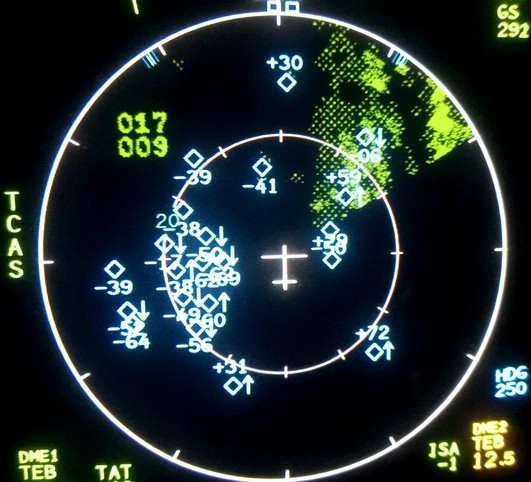
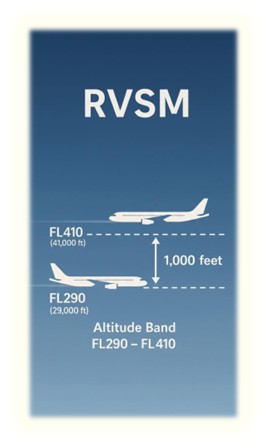
Generally, Air Traffic Control (ATC) requires 2,000 feet of altitude separation between aircraft as they cruise enroute. In the altitudes between 29k-41k feet, RVSM decreasing this separation to 1,000 feet. The purpose of this compression is to maximize efficient airspace use. The practical issue is simple: if you want to legally use that airspace, the aircraft and operator have to meet the requirements, and the authorization has to be in place.
This reduced separation has some requirements regarding:
1) Aircraft Equipment
2) Aircrew Training
3) Procedures Manual(s)
These are the primary elements of a submission package for this Authorization with the FAA.
RVSM is not just about the aircraft. It is also about the supporting documentation and compliance structure.
It is also about the supporting documentation and compliance structure.
Do you really need the B046 LOA?
B046 is not required if:
1) Your aircraft is equipped with ADS-B Out.
2) You plan to never operate internationally and only within the contiguous United States.

ADS-B is (Automatic Direct Surveillance-Broadcast). It is equipment that ATC uses to track an aircraft. ADS-B Out sends a signal from the aircraft to other aircraft and ATC. ADS-B In receives the same signals into the aircraft. It is highly likely that your aircraft has ADS-B Out installed, as the FAA mandated this as a requirement for any operation(s) in controlled airspace (in Jan 2020).
Even if you don't need B046, there are still requirements outlined in FAA Advisory Circular 91-85B.
Here are the highlights:
1) Required Equipment must still be used and confirmed operational
2) There must be documentation of aircrew training
3) Altitude Keeping Performance Monitoring must be documented every 2 years
If you operate internationally, then B046 is required.
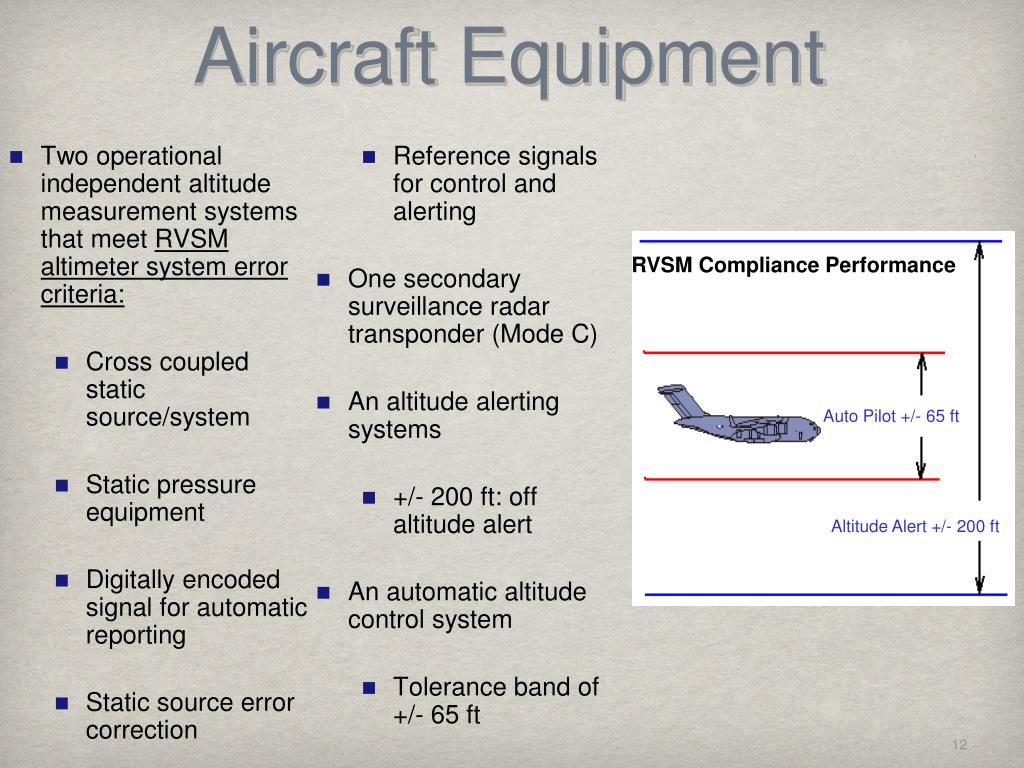
The Equipment Requirements for RVSM are:
1) Two independent altimetry systems
2) Autopilot with altitude control
3) Altitude alerting system
4) Transponder Mode C
The Transponder isn't really "RVSM required" since this is already required equipment to operate in Class A airspace (Class A airspace, 18k-60k feet, encompasses the entirety of RVSM airspace).